Insulation Mold Removal in Kennebunk, ME
Moldy insulation is removed from your attic, walls and crawl space in Kennebunk. Call 24/7 to start your assessment and cleanup.
- Moisture source checked first
- Contained insulation removal
- Dry cavity before replacement
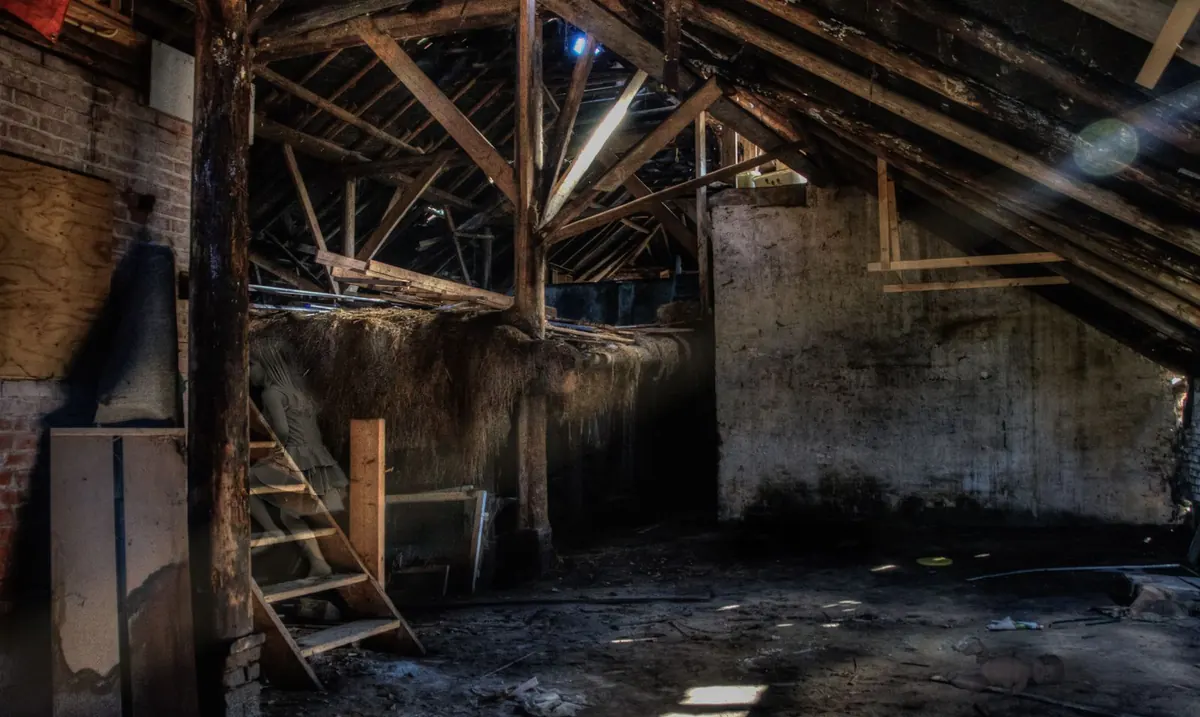
Mold Removal Services for Insulation in Kennebunk
Cleanup removes your affected cellulose, paper-faced batts and fiberglass insulation. Taking out damaged insulation exposes hidden cavities and framing for cleaning and drying.
Wet wall insulation needs a different approach to access than sagging crawl space material or attic insulation under roof leaks. Before tear out begins, affected materials and concealed moisture are mapped during your assessment.
The scope documents your insulation removal, containment measures, cavity cleanup and disposal in writing. When necessary, it lists leak repair and insulation replacement as separate work.
- Taking Out Affected Batt Insulation and Loose Fill
- Wall and ceiling cavity access
- Debris Removal Under Containment With HEPA Filtration
- Checking for Moisture and Cleaning Exposed Framing
- Drying before replacement of materials
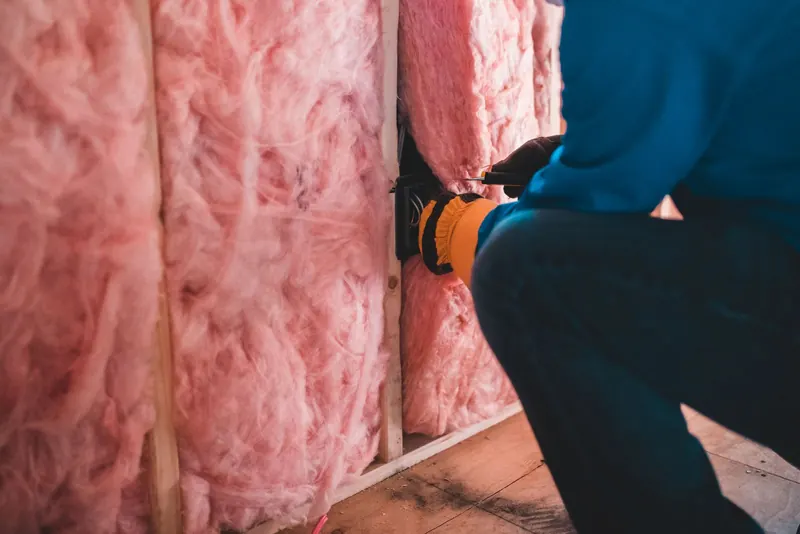
Signs You Need Moldy Insulation Removal in Kennebunk
Hidden dampness may show as growth you can see, wet batts or returning smells.
Mold in Ceiling Insulation
Growth exposed above a ceiling stain can extend beyond the visible opening.
Mold in Insulation Behind Drywall
During repairs, wet material may appear alongside softened drywall or peeling paint.
Sagging Crawl Space Insulation
Batts hanging below floor joists can accompany dampness from leaks or condensation.
Mold on Insulation Close to a Roof Leak
Nearby wood may show patches and water stains when attic insulation is damp.
Matted Blown-In Insulation
Beneath a surface that appears dry, compressed and wet loose fill can indicate water movement.
Insulation Cleanup in Greater Portland: The Process
From initial assessment, your cleanup proceeds to removal and cleaning, with drying before verification.
Assess Insulation and Access
Access and insulation depth undergo assessment. Surrounding materials undergo moisture meter checks; temperature patterns appear on a thermal imaging camera, which cannot identify mold.
Define the Scope and Trace Moisture
Checks investigate leaks and condensation. Plans establish moisture corrections and removal limits, along with separate repairs, before starting work.
Contain the Insulation Work Area
The work zone is enclosed by a containment barrier of poly sheeting. Protective equipment, negative air pressure and a HEPA air scrubber support particle control during removal.
Remove Affected Insulation
Moldy batts and loose fill are removed under containment, with drywall opened as needed. Debris cannot leave the work zone until sealed.
Clean Exposed Surfaces
Accessible non-porous surfaces undergo cleaning alongside sound framing. A HEPA vacuum removes dust; antimicrobial treatment does not replace removal and cleaning.
Dry the Open Cavity
A dehumidifier and air movers support drying after cleaning. Moisture readings track progress as the water source is corrected.
Verify Before Closing
The post-remediation check includes agreed post-remediation verification plus checks on drying and cleanliness. Specified clearance testing is carried out by an independent assessor. Containment comes down after final checks, before replacement materials close the cavity.
Your Insulation Mold Removal Choice: Portland Mold Removal Services
Removal Through Final Checks
Removal takes out affected insulation; exposed framing undergoes cleaning and drying, followed by final checks before containment removal.
Calls Answered 24/7
One number lets you start your metro-area insulation cleanup on weekends and at night too.
Insulation Moisture First
Before removal, your assessment locates dampness under loose fill and batts.
Clear Scope and Contained Work
Containment and HEPA filtration cover the affected area, while your scope establishes removal and separate repairs ahead of work.
Your First Steps Before York County Insulation Cleanup
Arrange an assessment by phone, leaving your affected insulation untouched.
- Avoid unsafe access. Do not enter confined crawl spaces or attics where you lack a safe walking surface.
- Keep people and pets away. Restrict entry around uncovered moldy materials.
- Keep Batts and Loose Fill Undisturbed. Pulling at insulation risks spreading mold spores along with fibers.
- Avoid blowing into cavities. Do not operate potentially contaminated HVAC equipment, and never point fans toward mold.
- Limit fresh water damage. EPA advises drying water-damaged areas and items within 24 to 48 hours to prevent mold growth.
Insulation Mold Removal Cost in Kennebunk
The attic cost cards cover related work, rather than insulation removal alone. Access, cavity damage and the amount removed affect your price. A total may include replacement and disposal already, so do not automatically sum the card amounts.
New insulation, if the old insulation is removed
$1 to $7 for each square footSource: PushLeads, Attic Mold Removal Cost (cites BUK Restoration and Angi) (checked 2026-10-23)Disposal of contaminated materials
$75 to $120 per loadSource: PushLeads, Attic Mold Removal Cost (cites BUK Restoration and Angi) (checked 2026-10-23)Kennebunk Insulation Cleanup Cost: Factors Behind the Price
- Batts versus blown-in material
- Drywall removal and containment
- Framing cleaning and drying
- Square Footage Affected, Along With Insulation Depth
- Crawl Space Access or Entry Into Attics or Walls
- Separate leak repair and replacement insulation
Your Insulation Cleanup Price
These published national ranges are planning figures. Your on-site assessment defines the work and price before cleanup starts, including any separate source repairs or rebuilding.
Call (844) 352-3560 about costInsulation Mold Removal Service Area Across Greater Portland
Call (844) 352-3560 to arrange cleanup in Kennebunk or nearby communities. One number covers the metro.
Insulation Mold Removal in Locations Near Kennebunk
ZIP codes
What People Ask About Insulation Mold Removal in Kennebunk
Can mold come back after you replace insulation?
Mold may recur when leaks or condensation are left unresolved. Before removal, your assessment locates the moisture source; replacement waits until exposed surfaces have been cleaned and dried. Mold resistant insulation does not correct a roof leak or trapped moisture. A cleaned, dry cavity receives new material once the needed corrections to moisture are complete.
Is testing needed before or after removal?
According to EPA guidance, visible mold often makes air sampling unnecessary. Moisture checks and inspection identify affected insulation along with the surrounding materials. Containment stays up until checks on drying and cleanliness are completed after removal. Use an independent assessor for clearance testing when required by the scope. Indoor mold levels are not subject to a federal limit.
In York County, what is the insulation cleanup cost?
Your price depends on insulation volume, access and the condition of the surfaces underneath. The cost cards show related attic work, disposal and new insulation with different units. They are not quotes just for insulation. Your assessment defines where removal ends before work begins, listing cleanup separately from replacement or other repairs.
Will the scope cover leaks and replacement insulation?
Assessment finds moisture issues and sets out corrections together with cleanup. Your scope must list plumbing work, roof repairs, new insulation and ventilation changes for those tasks to be included. Separate work is identified before starting. Cleaning, drying and final checks come before replacement, keeping new loose fill or batts from covering damp framing.
Can you stay home during insulation removal?
You may be able to stay when occupied rooms remain separate from the work zone and debris route. Attic hatch placement, wall openings, shared ventilation and household needs affect that decision. Before removal starts, limits on access are set. A temporary move is necessary for some projects while cleaning, drying and containment work proceed.
How long does insulation cleanup take in Kennebunk?
The area requiring removal and access determine your schedule. Work on shallow batts in attics differs from work involving closed wall cavities or deep loose fill. Replacement waits until damp framing dries. Moisture readings and final checks, together with source repairs, establish when work can finish.
Must every part of the insulation be removed?
A problem in one spot does not necessarily mean stripping insulation from your entire attic or walls. Assessment identifies affected insulation, surrounding damp materials and inaccessible areas. Removal follows those findings. After sound framing is cleaned and dried, it can often remain, with damaged insulation and cavity finishes removed where necessary.
Your Insulation Cleanup and Insurance in Maine
Homeowners insurance coverage depends on the moisture cause, exclusions, mold limits and deductible. Cleanup, source repairs and replacement may receive different coverage decisions.
Safe Insulation Cleanup in Greater Portland
Restricting access and containing your work area reduce particle spread as insulation is disturbed.
Sensitive Occupants
CDC notes that, for some people, mold can trigger asthma and allergy symptoms.
Black Mold in Insulation
According to CDC, you cannot judge a mold's risk by color.
Insulation Dust
HEPA filtration supports dust control during removal and cavity cleaning.
Concealed Moisture
Dryness at the edge of insulation does not reveal conditions next to framing.
Cleanup scope: According to EPA, homeowners can often clean areas under about 10 square feet, but washing insulation is not what that means. Professional help is needed with HVAC systems, contaminated water or larger affected areas.
York County Insulation and Materials Within Cavities
Affected insulation is removed; sound exposed framing can often be cleaned and retained.
Batts and loose fill
- Removal takes moldy cellulose and fiberglass out of the affected area.
Framing and cavity finishes
- Cleaning and drying preserve sound wood; damaged drywall may require removal.
Replacement insulation
- The assembly determines whether replacement uses loose fill, spray foam insulation or batts. R-value is addressed alongside insulation baffles and vapor barrier details ahead of installation.
Insulation Cleanup Timing in York County
Drying, access, the volume removed and repairs after remediation all affect your timeline.
- Accessible attic batts: The debris route, along with hatch size, influences how long removal takes.
- Closed wall or ceiling: Uncovering hidden damage and opening cavities may increase the work needed.
- Loose Fill at Depth or Moist Framing: Material volume affects removal; moisture readings determine readiness for replacement.
Insulation Odor and Humidity in Kennebunk
A musty smell is investigated with cavity and moisture checks. Fragrance does not correct its source.
Your indoor relative humidity should ideally be 30 to 50 percent and remain below 60 percent, EPA recommends. Do not use that indoor advice as a target for clearing attic framing.
Maine Requirements for Work on Insulation
Insulation Work Requirements
Maine CDC guidance does not describe a state mold remediation license. Its materials suggest hiring a mold professional trained through national industry groups, and asking about training.
Repair Permits
Permit needs vary with the structural, building or electrical work involved.
Rental Properties
Maine law treats a rental unit with a leaking event or chronic moisture or humidity outside the tenant's control that leads to mold growth as a breach of the implied warranty of habitability, under 14 M.R.S. section 6021. Local health officers can also help verify mold concerns in rentals.
State Mold Information
The Maine Center for Disease Control and Prevention, part of the Department of Health and Human Services, says heavy indoor mold can become a public health issue and that fixing mold means fixing the moisture problem. It does not recommend routine mold testing.
State guidance: Maine CDC, LHO Indoor Air Quality (Mold resources); Maine CDC, LHO Guide: Mold (winter 2025); Maine Indoor Air Quality Council Mold Toolkit 11-2022 (hosted by Maine CDC); Maine Legislature, 14 M.R.S. section 6021 Implied warranty and covenant of habitability; Maine Legislature, 33 M.R.S. section 173 Required disclosures
Related Services and Next Steps
Start Your Insulation Mold Removal in Kennebunk
Call 24/7 to arrange your assessment. Your cleanup starts with the affected surfaces, moisture source and access to your home.